
Oct 14, 2026
- [Web Search for Browserbase is now powered by Parallel](https://parallel.ai/blog/browserbase-search-powered-by-parallel)
Tags:Product
Author: By ParallelMarch 25, 2026
Opendoor (NASDAQ: OPEN), the leading digital platform for residential real estate, uses Parallel's web research APIs to automate accuracy-critical investigations across its core operations. Starting with an HOA research workflow, Parallel transforms a 10-minute manual process into a two-minute verification step, ensuring every transaction is backed by production grade web data.

Residential real estate is, at its core, a web-intensive industry. Buying and selling homes requires constant interaction with fragmented online data: government portals, county records, HOA filings, listing databases, title documents, and regulatory disclosures spread across thousands of state, county, and municipal websites with no standardization between them.
For a company operating at Opendoor's scale, this creates a compounding problem. Every transaction generates dozens of small research tasks, each requiring someone to navigate unfamiliar web infrastructure, synthesize information from multiple sources, and produce a structured assessment. The research is complex, time-consuming, repetitive, and difficult to automate with traditional tools because the web sources vary so widely from state to state and county to county.
Parallel's Web Agent APIs are purpose-built for exactly this kind of complex and accuracy critical work. Rather than requiring Opendoor to build and maintain scrapers for every government portal across the country, Parallel's Task API handles open-ended web investigation autonomously: it identifies the right sources, navigates to them, extracts the relevant data, and returns structured verifiable outputs that fit directly into Opendoor's existing systems.
Every real estate transaction involving a homeowners association requires the same set of deceptively difficult questions answered: Does this property have an HOA? Which one? Who manages it? Are there any active lawsuits?
Before Parallel, Opendoor researchers answered these questions manually. The process involved Googling property addresses, cross-referencing listing sites, searching for nearby homes that may have recently sold for clues about HOA membership, and then hunting down the management company through a maze of state-specific portals and association websites.
The hardest part wasn't any single step. It was the cumulative ambiguity. A property might have two HOAs. The management company might only appear in a Secretary of State filing. Active litigation might be buried in a county court system that requires knowing the right jurisdiction to search.
Each property was a small research project, and the answers mattered: in title and escrow, an undetected HOA or active lawsuit can directly affect financial decisions made at closing. Accuracy isn’t optional.
The workflow averaged around 10 minutes per property. Across thousands of transactions, that represented a significant operational cost.
Opendoor needed more than a web search API. The HOA research workflow isn't a simple lookup. It requires navigating state-specific government portals, cross-referencing multiple sources, and synthesizing findings into a structured assessment. For a public company operating at this scale, the stakes of a missed HOA or an undetected lawsuit are real, which meant accuracy wasn't a differentiator, it was the requirement.
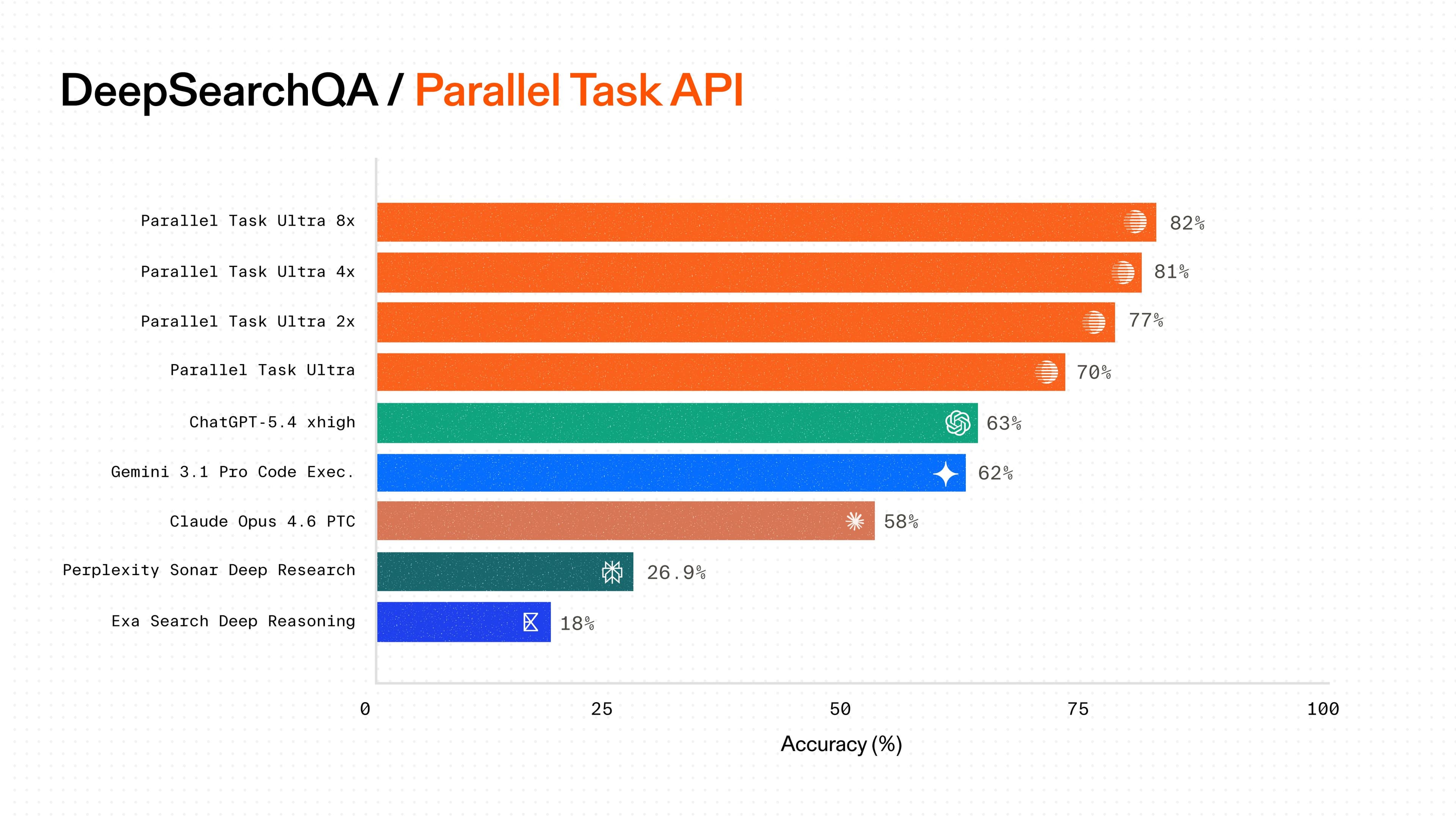
The team ran a bake-off across multiple providers. Parallel's Task API with the ultra processor was the only solution that consistently met their accuracy bar on real-world HOA queries—not on synthetic benchmarks, but on the hard, ambiguous cases that appear in production every day. Parallel also met Opendoor's enterprise requirements: SOC-II Type 2 certification, SSO support, granular user permissions, and the data protection standards expected of a company managing sensitive transaction data at scale.
> "We've done a bake-off on this particular use case. Parallel is by far the most accurate."
> — Yan Lhert, Software Engineer, Opendoor
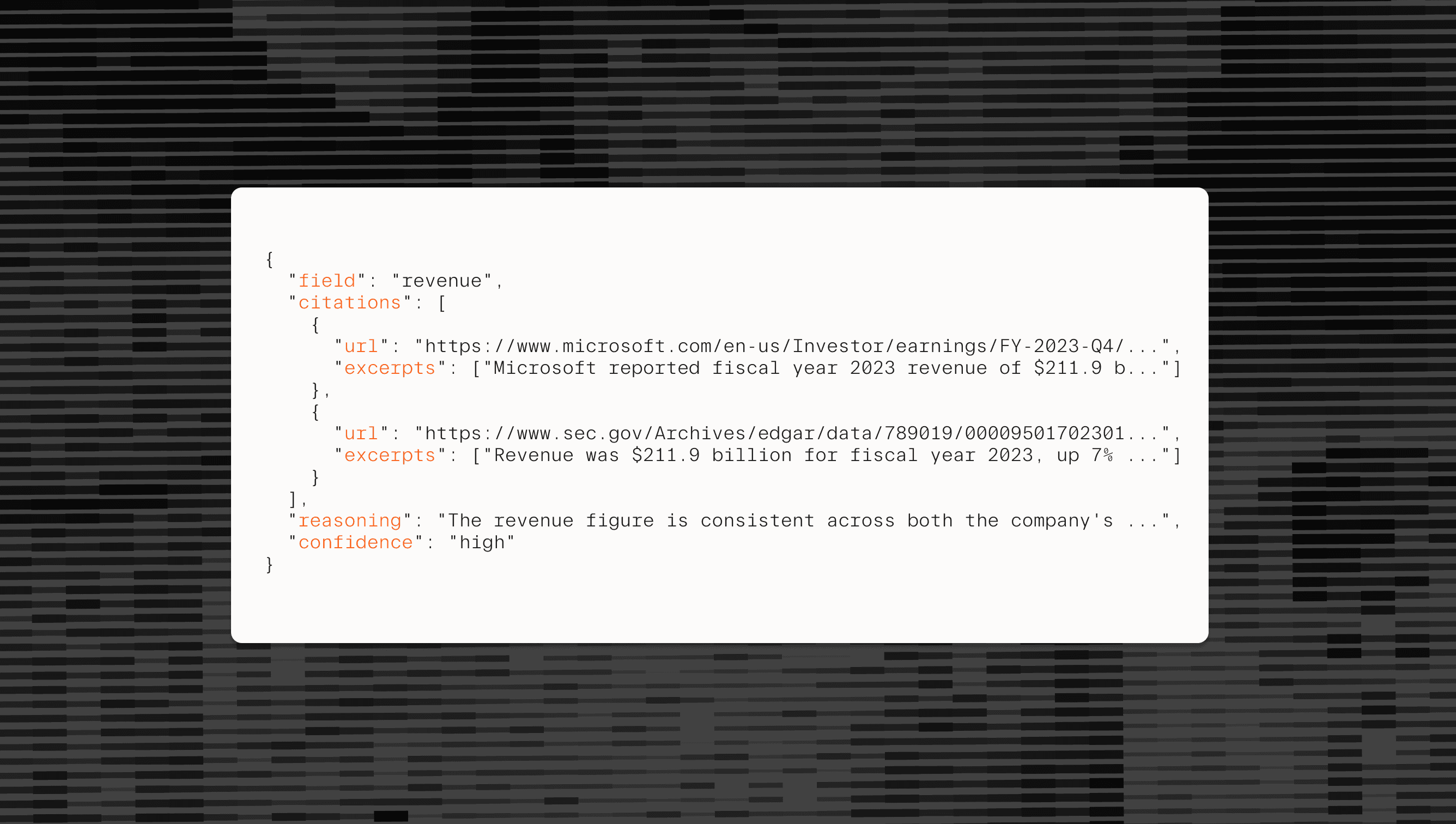
**Structured HOA investigation from a single API call.** For every property that enters Opendoor's pipeline, an API call kicks off a Task API research job using Parallel's ultra processor. The prompt includes the property address and any available context from the real estate contract. Parallel returns structured JSON covering HOA existence, association names, management companies, contact information, and relevant filings, which Opendoor compiles into an internal report and attaches to the transaction file as a PDF.
**Autonomous navigation of government infrastructure.** What distinguishes this workflow is Parallel's ability to navigate complex, state-specific web systems without any explicit training on those portals. Given only a property address, Parallel identifies the relevant state's Secretary of State website, enters the address into the search portal, and extracts registration details about the HOA. The same applies to county court systems: Parallel determines the correct jurisdiction, queries for the HOA name, and returns structured details about any active litigation.
> "We're just giving it a property address. Parallel goes to the Secretary of State website for that state, enters the property address into the portal, finds the results, and pulls out the information. We never trained it to do this."
The integration changed the nature of the work. Opendoor researchers no longer start from scratch on every property. Instead, they review and verify Parallel's findings, following up by phone only when a property has no online presence or when the results need human confirmation. The team now allocates roughly two minutes per property for what was previously a 10-minute task.
What makes this meaningful isn't just the time savings, it's that the accuracy holds on the hardest cases. HOA research isn't difficult because the questions are complex; it's difficult because the answers are buried in inconsistent, jurisdiction-specific sources where a wrong result has real consequences. Parallel's performance on those edge cases is what made production deployment viable.
> "The fact that it can find the right county court system, pull the relevant cases, and structure that into usable data is genuinely mind-blowing. It surfaces things we never would have found on our own."
HOA research is the first production workflow, but it represents a broader theme. Across Opendoor, teams are identifying use cases where structured web research can replace manual processes, from property-level due diligence to regulatory compliance checks that vary by jurisdiction. Parallel's role as the web research layer positions it to support these mission-critical workflows, with the highest possible bar of enterprise-grade quality and verifiability.